History
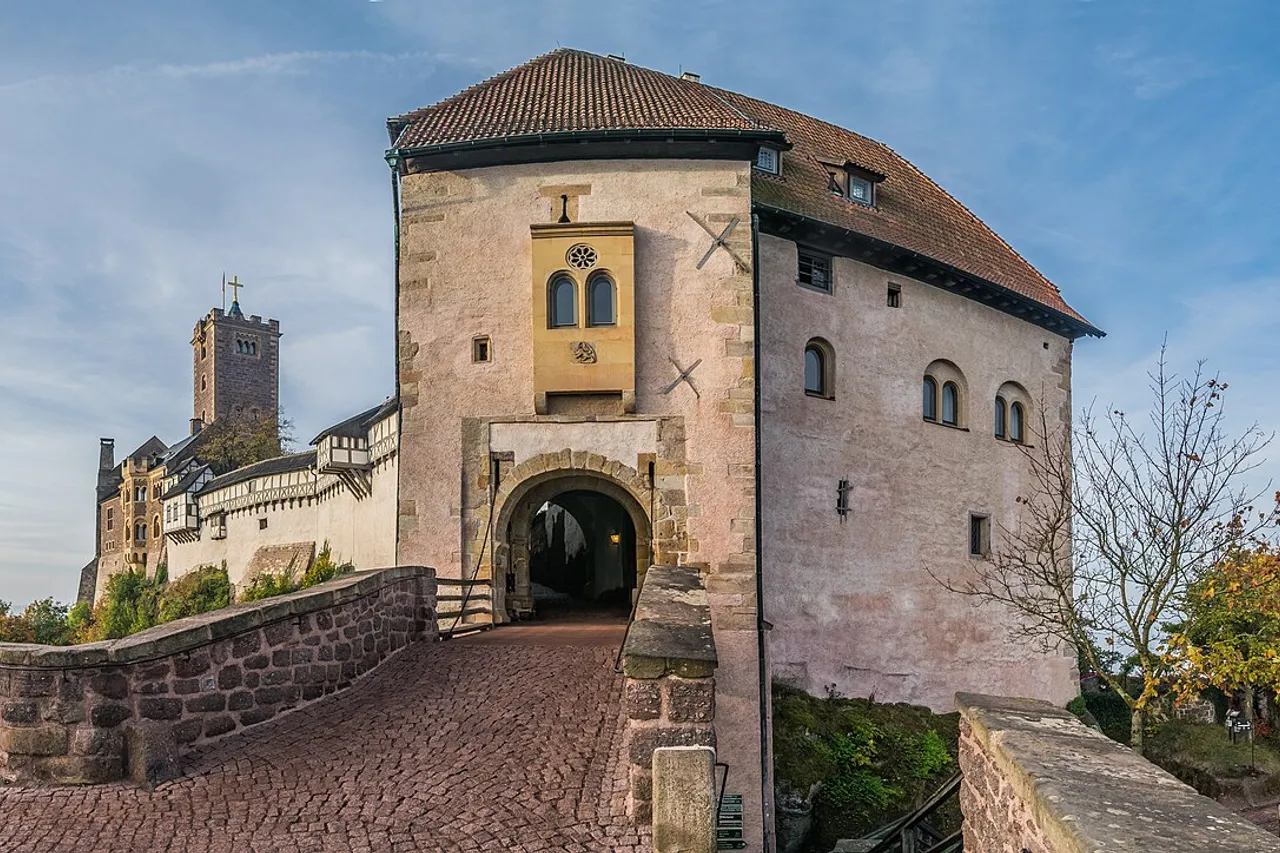
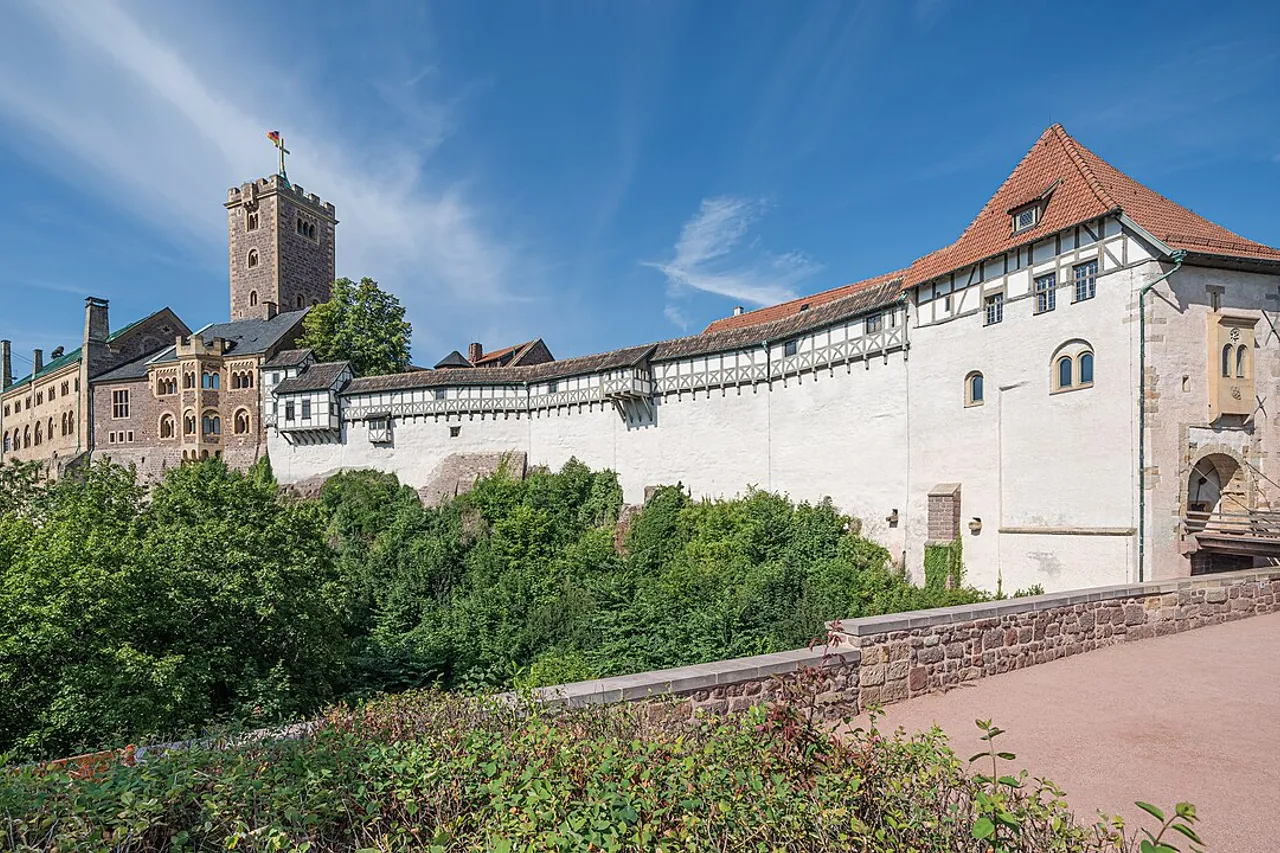
According to tradition, Wartburg was founded in 1067. It was the residence of the landgraves of Thuringia and the place of activity of Elizabeth of Thuringia.
In the years 1521–1522, Martin Luther translated the New Testament here. The 19th-century restoration made the castle a symbol of German history and culture; it has been on the UNESCO list since 1999.
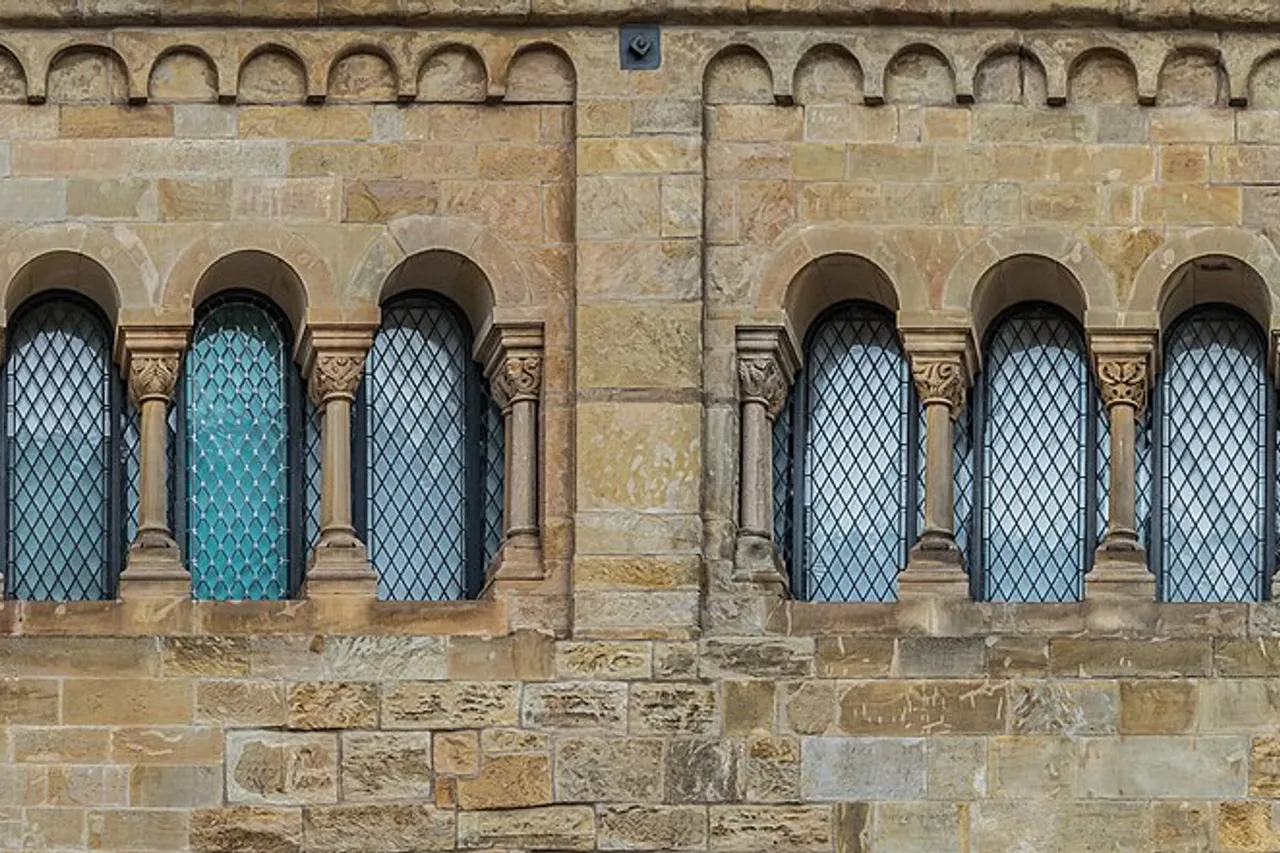
Palas należy do najważniejszych świeckich budowli romańskich na północ od Alp. Jego sale opowiadają o landgrafowskim dworze i św. Elżbiecie, natomiast kaplica oraz kolekcje pokazują religijny i artystyczny wymiar rezydencji.
Izba Lutra przenosi uwagę do lat 1521–1522 i przekładu Nowego Testamentu. Dzisiejsza sylwetka jest też dziełem XIX-wiecznej restauracji; zestawienie autentycznej historii z romantyczną rekonstrukcją czyni Wartburg obiektem wymagającym uważnego zwiedzania.
What to see
- Palas
- Luther's chamber
- chapel
- museum and views
Practical information
- Opening times
- Courtyard and tours open daily; museum and tour hours change seasonally.
- Tickets
- Standard, reduced, family and guided tour tickets available; current online price list.
- Visit duration
- It depends on the selected route; confirm the current recommendation on the official website.
- Parking
- Paid parking below the castle; shuttle bus and walking access.
- Accessibility
- The courtyard is partially accessible; historic interiors and access have restrictions.
- On site
- Toilets, restaurant, shop, audio guides.
- Photography
- Private photography without flash in permitted spaces.
Location on the map
It will load only after you consent. You can change this choice later in the footer.
Gallery